पाठशाला Pathshala · धन Dhan, Money · Lesson 15 · Build
Due diligence: the data room that closes the round
A signed term sheet is not money in the bank. The weeks between are spent proving the company is what the deck said, and a data room built before anyone asks makes them short.
Pathshala, The Founder Library · 11 October 2026 · 7 min read
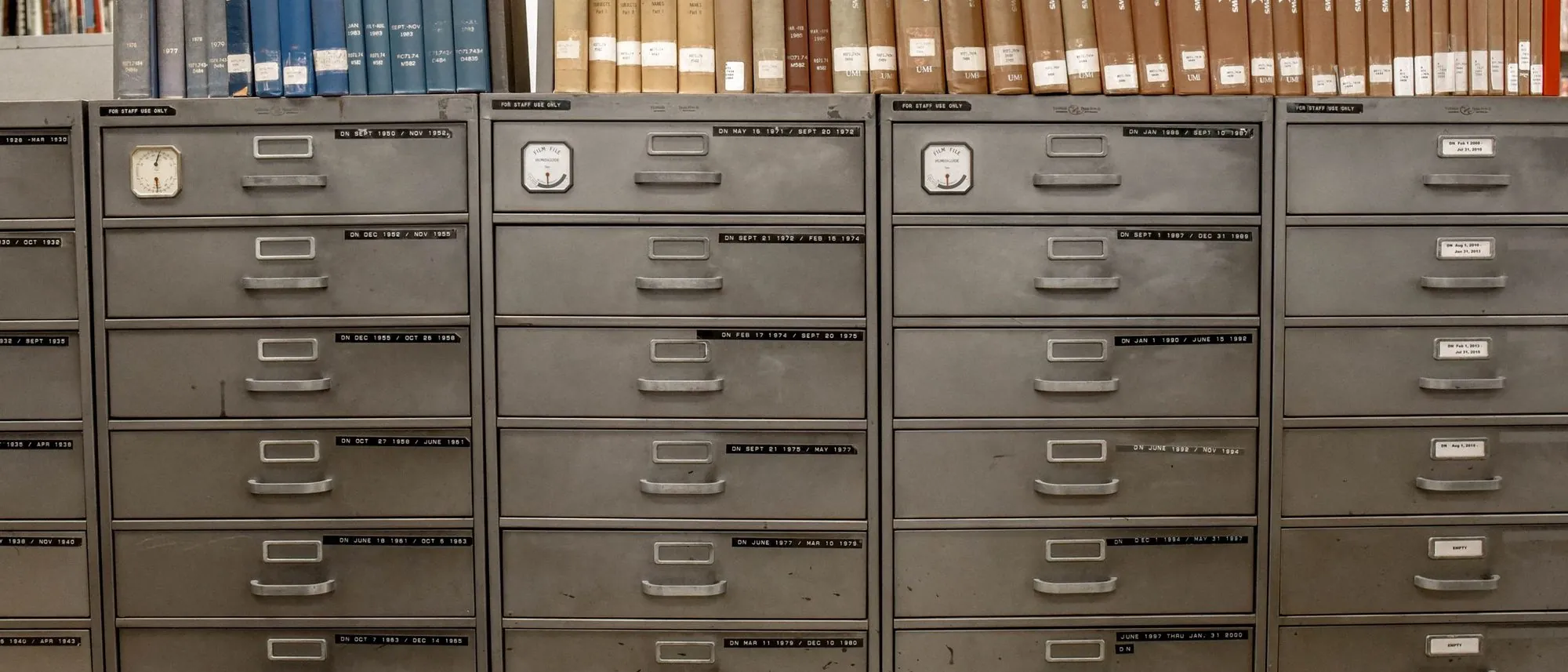
Rounds rarely die at the term sheet. They die in the ten weeks after it, when an investor’s lawyers ask for a board resolution from three years ago and nobody can find it, and the founders discover that the company they have been running for years exists on paper only in part.
This lesson is about making those weeks short. What diligence is actually checking, the three folders that answer it, a checklist of the room an Indian investor will expect, the findings that slow rounds down, and how to run the room so questions are answered in a day rather than a fortnight.
What diligence is actually checking
An investor who signs a term sheet has decided it likes the company. Diligence asks a narrower question: is the company what the founders said it is? It has three parts. Legal diligence checks that the company exists properly, that every share was issued validly, that it owns what it uses (above all its code and its brand) and that nothing in its contracts or its past will surprise a buyer. Financial diligence checks that the numbers in the deck, the monthly accounts and the audited accounts agree, and that tax has been paid and deducted as it should. Commercial diligence checks the story: customers who say what the deck says they say, retention that holds on the investor’s own arithmetic, a market as large as claimed.
None of it is adversarial, and all of it is slow when the documents are not ready. Y Combinator’s Series A diligence checklist, written by the general counsel of its growth fund, makes the point plainly: founders do not generally realise that closing an A can take more than a month, and assembling the data room before signing the term sheet will cut as much as a week off the close. In India the close carries extra steps (valuation reports, private placement filings, foreign-exchange reporting for a non-resident investor) and the gain from preparation is larger.
The legal folder: the company’s paper trail
The legal folder is the one founders underestimate, because the business can run for years on paper that would not survive a careful reading. The diligence lawyer will reconstruct the company’s history from incorporation: every allotment of shares, the resolution that authorised it, the valuation behind it, the offer letter, the return filed with the registrar and the entry in the register of members. Under section 42 of the Companies Act the return of allotment, form PAS-3, is due within fifteen days of each allotment, money raised may not be used until it is filed, and late filing costs ₹1,000 a day up to ₹25 lakh, against the company, its promoters and its directors.
Then the rest of the paper trail: the articles with every amendment, because investor rights from past rounds must have been copied in; the annual filings; the ESOP scheme with its shareholder approval; the founders’ agreements; IP assignments from every person who has written code or designed anything; and, if any investor is outside India, the foreign-exchange filings the Reserve Bank’s Master Direction requires for each issue or transfer of shares. Add the DPIIT recognition certificate. Recognition now runs for ten years from incorporation for a company whose turnover has stayed below ₹200 crore in every year, or twenty years and ₹300 crore for deep tech, according to Startup India when checked in October 2026.
The financial folder: numbers that reconcile
Financial diligence is reconciliation. The team will take revenue from the deck, from the monthly management accounts, from the audited accounts and from the GST returns, and ask why the four differ. Some difference is normal (GST turnover includes items that are not revenue; audited accounts recognise revenue differently from a dashboard) but each difference needs a sentence of explanation, written down before it is asked for. The same goes for headcount against payroll and TDS returns, cash in the accounts against the bank statements, and the cap table against the register of members.
A company that closes its books monthly within ten days, as [the monthly close lesson](/library/monthly-close-and-mis-report) describes, has most of this folder already. A company that has its accounts written up once a year by an outside firm will spend the first three weeks of diligence doing what it should have done every month. Put the operating model in this folder too, with its assumptions written beside the formulas, because diligence tests whether the plan follows from the history.
The commercial folder: proof the story is true
The commercial folder holds the evidence for the deck. The top twenty customer contracts, read for termination rights, exclusivity and change-of-control clauses that a sale would trigger. Revenue by customer by month, so concentration is visible. The metrics sheet with a written definition for every metric, because an investor who has to re-derive your net revenue retention will rarely land on your number. Cohort retention in the form [the cohorts lesson](/library/cohort-analysis-for-founders-not-analysts) recommends. And three to five customers who have agreed in advance to take a reference call within the week.
The checklist below is the whole room in four groups. Tick it before the first partner meeting, not after the term sheet; anything still unticked when a lead investor asks for the room becomes a delay with your name on it.
Diligence does not find problems so much as find out how long they will take to fix. Fix them before anyone is waiting.
The findings that slow rounds down
The same findings recur, and almost all are fixable in advance. Missing or late filings: an allotment with no PAS-3, an annual return filed late, a change of director never notified. Late filings can be made with additional fees, but some defaults need compounding, which takes months. Allotments without paper: shares issued to an early angel with no valuation report or no board resolution. The cap table that does not match the register: a promised grant never made, a transfer never recorded. Unassigned IP: a co-founder who left before signing an assignment, a freelance developer who wrote the first version. People: employees without signed contracts, contractors who look like employees. Tax: TDS not deducted on payments that needed it, GST turnover that does not match booked revenue.

Each of these is a sentence in the disclosure letter if found by the company, and a renegotiation if found by the investor. Run your own diligence first. Hire the company secretary who will handle the round to read the statutory records three months before you raise, and ask the auditor to reconcile GST to revenue for the last two years. The cost is a few weeks of fees; the saving is a close that does not stall in week six while a filing is compounded.
Running the room: access, order and a question log
A data room is a shared folder with permissions, an index and an owner. The software matters less than the discipline. Give it one owner, usually the founder who is not running the raise or the finance lead, who answers every request within one working day. Number every document and keep a one-page index for each folder. Grant access in two tiers: a light room (deck, metrics, financial summary, cap table) for investors in second meetings, and the full room only to the lead and its advisers once a term sheet is signed. Never send documents by email; every document an investor sees should be one you can withdraw.
Keep a question log: every question asked, who asked it, the answer and the document that supports it. Diligence questions repeat across investors and across rounds, and a log turns the second round’s diligence into a forwarding exercise. Review the log with the lead investor’s counsel weekly until close, and agree the list of conditions to closing early, so that the last week is spent signing rather than searching.
Keep the room live, every quarter
The best data room is the one that never has to be built. After the round closes, keep the folders and add to them as the company runs: file each resolution, each PAS-3 acknowledgement and each grant letter in the room the day it is signed. Once a quarter, on a fixed date, the owner walks the checklist above, reconciles the cap table to the register, reconciles GST to revenue, updates the metrics sheet and its definitions, and notes every gap with a date to close it. Once a year, before the annual general meeting, ask the company secretary to read the statutory records as an investor’s counsel would. A company that does this is always three weeks from a close.
Nothing here is legal, tax or investment advice. Filing deadlines, penalties and the DPIIT limits were checked on 11 October 2026; confirm current requirements with your company secretary and auditor.
Sources
- Jason Kwon (General Counsel, YC Continuity), YC’s Series A Diligence Checklist, Y Combinator
- Conventus Law, India: Private Placement of Securities, key changes under the amended section 42 (PAS-3 within 15 days, use of funds, ₹1,000 a day up to ₹25 lakh), October 2018
- Reserve Bank of India, Master Direction – Foreign Investment in India (updated to 15 June 2026): reporting of issues and transfers to non-residents
- Startup India, DPIIT startup recognition: turnover below ₹200 crore, ten years from incorporation; ₹300 crore and twenty years for deep tech (checked October 2026)