स्तम्भ Stambh · Parihās
The Most Powerful Person on Earth Should Be a Crown, Not a Clown
A peace prize he did not win. A lake he renamed. A strait he annexed on a map with a typo. A war he scheduled around an election. A satire on the loudest office in the world, aimed up, and at every founder who confuses noise with authority.
Nikhil Sharma · परिहास Parihās · 11 October 2026 · 7 min read
On Friday a committee in Oslo gave the world’s best-known peace prize to an eighty-five-year-old judge born in Durban into a family of Indian Tamil origin. By the evening the most powerful man on earth had shared a post announcing that the committee had shamed itself beyond repair. He did not write the post. He only chose it. That was the end of a week in which he had also announced, in writing, the date before which he would not resume bombing a country.
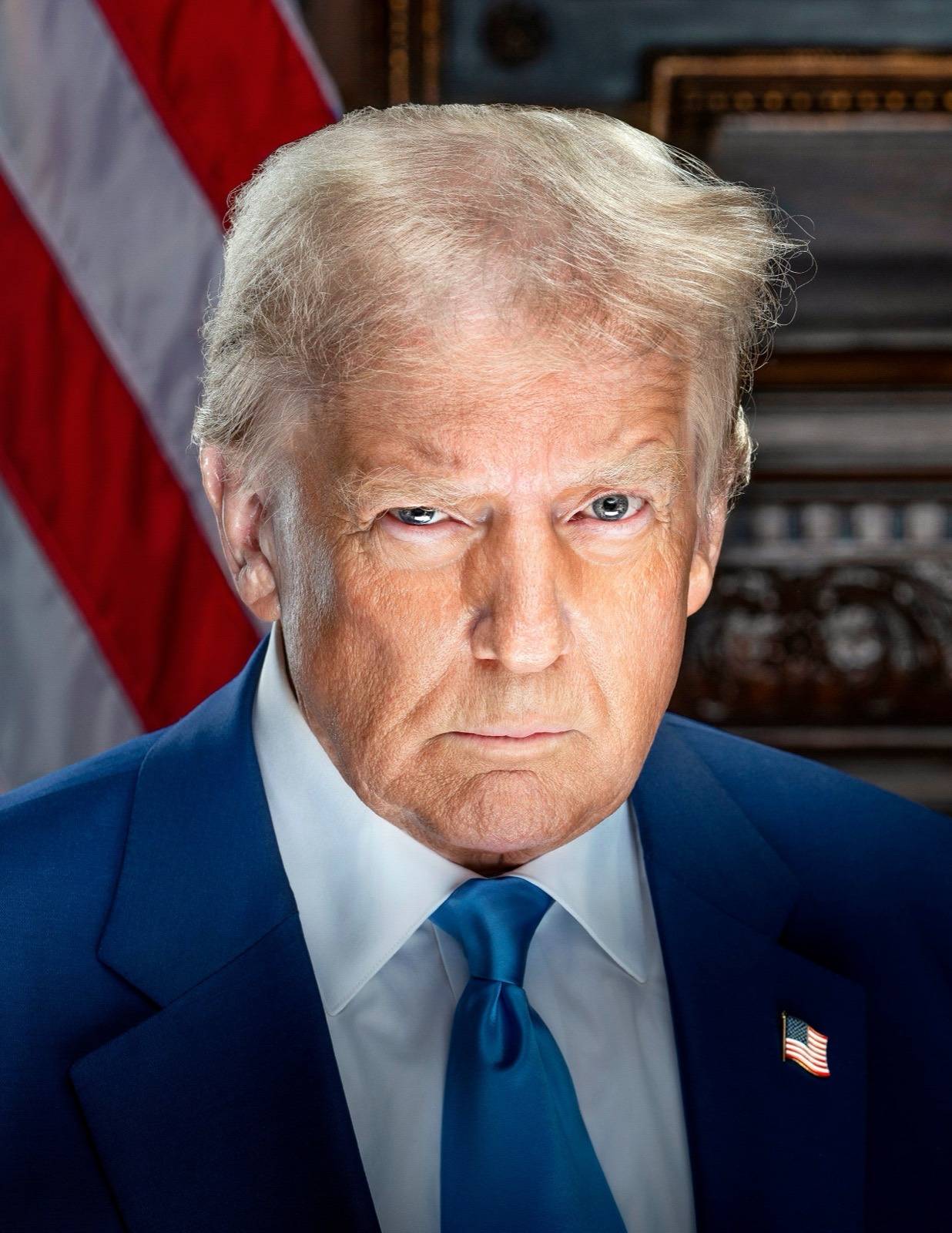
This shelf promises to aim up and that is a promise worth keeping carefully, because satire about a sitting head of state is the cheapest kind there is. So let me say what this piece is not about. It is not about his policies. Tens of millions of Americans voted for them and some of them have done roughly what he said they would. It is about register. The most powerful person on earth should be a crown, not a clown.
A crown is heavy. It sits still. It is the same on Monday as on Friday and it makes the person under it slower to speak, not quicker. Its whole job is to make one human being carry the weight of an office larger than himself. A clown is the opposite instrument. It is built to be looked at. It is very good at what it does. What it does is not government.
The most powerful person on earth should be a crown, not a clown.
The prize
He wanted this one in public for most of a year. Two days before the announcement he told reporters the committee had a reputation for not giving it “to people like me” and that “it would be a great discredit to them.” He has said more than once that he ended eight wars. The count is his.
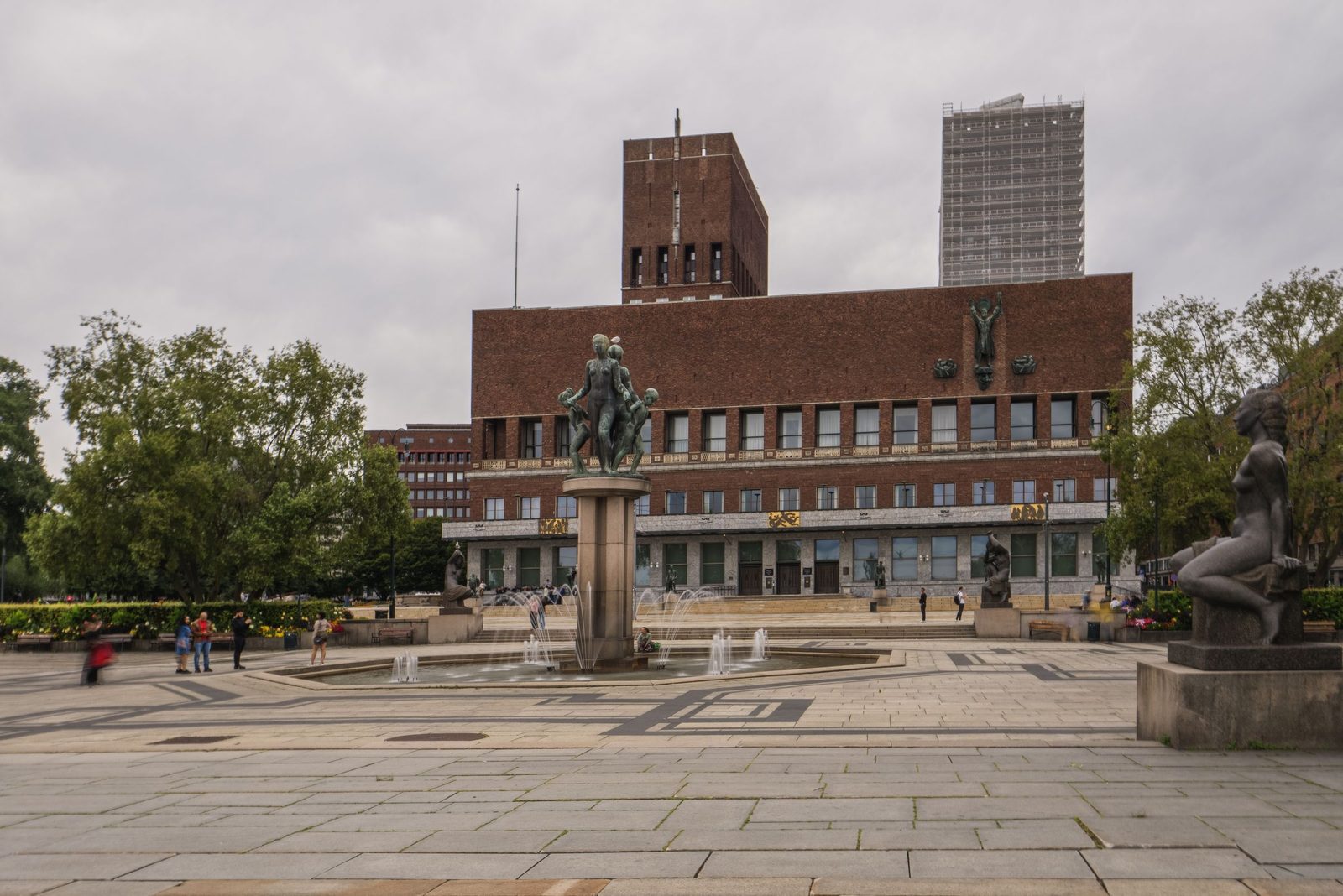
The prize went instead to Navi Pillay, a lawyer who defended anti-apartheid activists, the first woman of colour on South Africa’s High Court and later the United Nations High Commissioner for Human Rights. The committee cited her work for peace and international law. The post he shared called her a hater of America and Israel. The same day his administration put more sanctions on the International Criminal Court, where she once sat as a judge. A peace prize went to a judge and the reply was sanctions on judges. You could not put that in a comedy. The editor would send it back for being too neat.
Indian readers will notice the line in her biography the post left out. Her family is of Indian Tamil origin and she was born in Natal, the province where a young Indian lawyer called Gandhi learnt his politics a century earlier. Durban keeps producing the same kind of person. Oslo keeps noticing.
The map
The war with Iran began on 28 February with American and Israeli strikes. In August, with the Strait of Hormuz closed and reopened and closed again, the President said he would soon declare the strait part of American soil. Four days later he posted a map with the waterway labelled new US terrirory. The spelling is his. The most powerful man on earth annexed a sea lane and misspelt the deed.
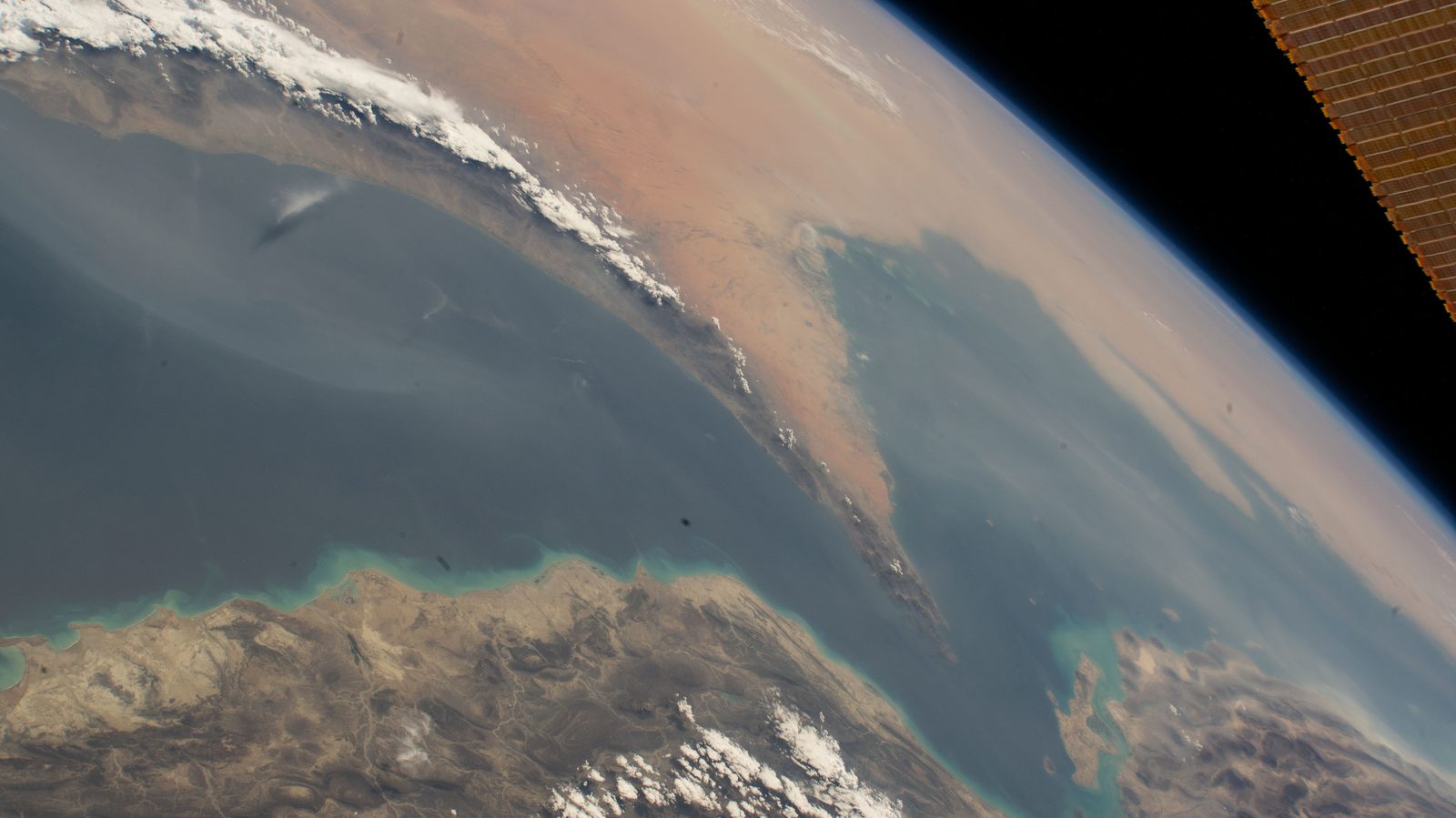
This is the paragraph where the joke has to stop being funny. The war has killed thousands of people, most of them Iranian, and Americans, Israelis and citizens of the Gulf states besides. It has caused what analysts call the largest supply disruption the global oil market has seen, and every barrel India buys pays its share of that. On Thursday the President wrote that the United States “will not be attacking Iran at any time prior to the Midterm Elections to be held in the United States on November 3rd.” A war that keeps a calendar around a domestic election is not a war being run by a crown.
The lake
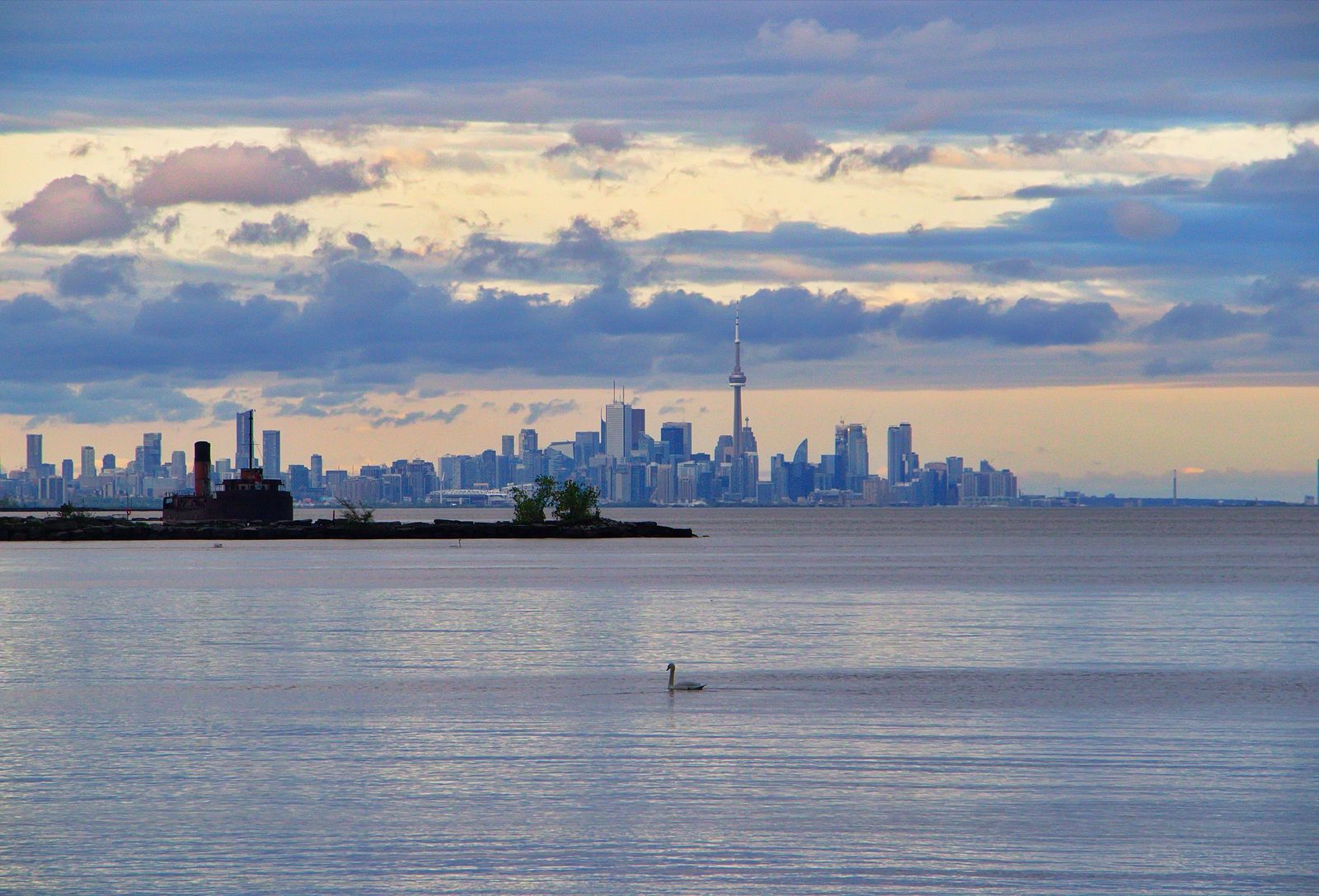
On 27 August he signed an order renaming Lake Ontario as Lake America. “This is official, effective immediately,” he said. Lake Ontario has two shores. The other one belongs to Canada, a country he had just hit with fifty per cent tariffs on a large share of its goods, which had replied with tariffs of its own and suspended trade talks. Nobody consulted the lake. The fish continue in their former nationality. The Gulf of Mexico went the same way in the first week of his second term and Mexico still calls it what Mexico called it.
Then there is the building. In September a federal judge ruled, for a second time, that the Kennedy Center’s board could not put his name on it without Congress. In the same week the board voted to close the main building for two years, citing a structure it said was unsafe and finances it said were weeks from bankruptcy. When the name would not go on the building, the building shut. Meanwhile the Supreme Court, five to four, let construction go on at the new White House ballroom. The ballroom is open for business. The national theatre is not.
A peace prize went to a judge and the reply was sanctions on judges.
What his admirers would say
A satire that will not state the other side is only a tantrum with better adjectives, so here it is, put as strongly as I can. His admirers would say the noise is the method. That a man who says the unsayable gets meetings nobody else gets. They would point to the Gaza ceasefire of October 2025, for which a member of Congress nominated him for the very prize he lost. They would point closer to home: the February trade deal that cut the tariff he had put on Indian goods from fifty per cent to a promised eighteen. And they would say, correctly, that the United States has no crown on purpose. Its founders built the presidency against a king.
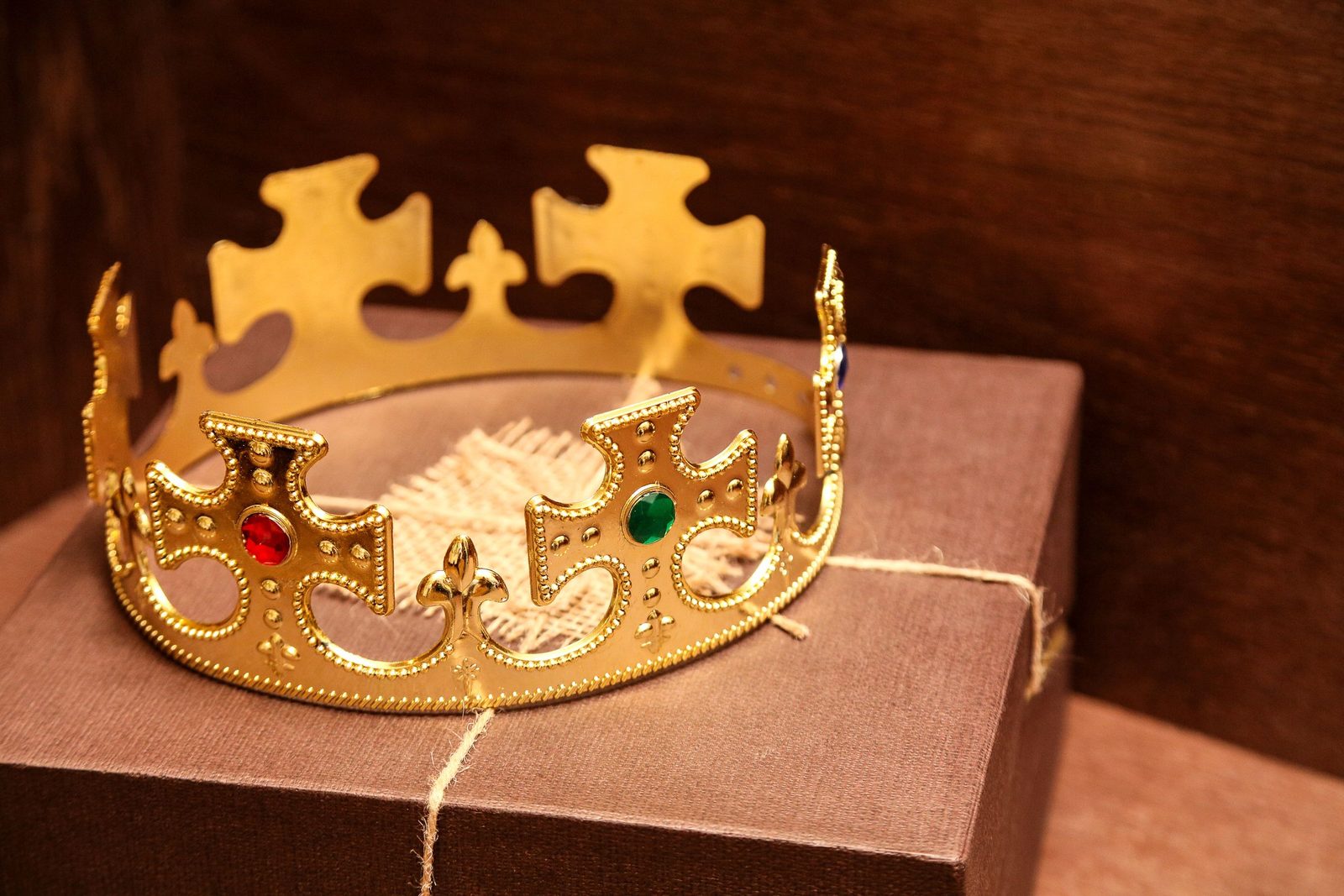
That last point deserves a real answer. A crown is not a king. In the sense this piece means it, a crown is a weight: the discipline of an office that outlives its holder and makes him speak for it rather than for himself. The American founders did not abolish that weight. They tried to make it heavier by putting it on an elected man who would have to give it back. The Constitution is a crown that no one is allowed to keep.
What the crown is for
Kautilya, who wrote the oldest surviving manual of Indian statecraft, put the whole job description in one line. It hangs on the library shelf of this site because it is also the best one-line description of a founder’s job I know.
प्रजासुखे सुखं राज्ञः प्रजानां च हिते हितम् ।
In the happiness of the people lies the happiness of the king. In their welfare, his welfare.
Shakespeare gave his tired king the other half four centuries ago: uneasy lies the head that wears a crown. That is the point of it. The crown makes the head uneasy so that the country does not have to be. The clown inverts the arrangement. He is perfectly at ease and everyone else is uneasy for him. The oil trader is uneasy. The Canadian exporter is uneasy. The Gurugram firm with an American order book reads Truth Social before breakfast the way its grandfather read the monsoon forecast.
And now the part aimed at myself, because the shelf promises that too. Every founder has a small version of this office and a small version of this temptation. The midnight post about the competitor who annoyed you. The renaming of a thing you did not build. The deal announced before it is signed. The test I give founders is the one I would give the office. Would you say it the same way on Monday? Would you say it if it had to be carved rather than posted? Does saying it make you slower or quicker? A crown is the thing that makes you slower. Most of us need one more than we would like to admit.
Gurugram, 11 October 2026. The second piece on the Parihās shelf, aimed where the shelf promises: up, at the loudest office in the world, and at the small loud office in every founder, including mine.
Sources, checked 11 October 2026. The prize: Al Jazeera, 9 October 2026 on the award, the citation, the shared Truth Social post and the new ICC sanctions; ABC News for the Nobel Institute’s words on her Indian Tamil family; Voz for the reposted text; Kuwait Times/AFP for “people like me” and the eight wars. The map and the war: Khaleej Times on the 15 August remark and the 19 August map; AP via Fox19, 8 October 2026 for the midterms post; 2026 Iran war for the start date, the casualty counts and the oil disruption. The lake and the tariffs: OPB/AP, 27 August 2026 and the timeline of the second Trump presidency, 2026 Q3 for the Canadian tariffs and talks. The building: WGCU/NPR, 15 September 2026; the ballroom ruling, Star-Advertiser/AP, 31 August 2026. The other side: the Gaza-ceasefire nomination as listed at 2026 Nobel Peace Prize; the India trade deal, Morgan Lewis, February 2026. The verse is Arthaśāstra 1.19.34; the crown line is from Shakespeare’s Henry IV, Part 2, Act 3, Scene 1.