स्तम्भ Stambh · Itihāsa
Pataliputra Wrote the First Timetable
Kautilya divided a king’s day and night into sixteen blocks and wrote down what went in each. He got the architecture right and the sleep wrong. We have done the reverse.
Nikhil Sharma · इतिहास Itihāsa · 17 June 2026 · 5 min read

Two thousand three hundred years before anyone sold a planner, a Brahmin in Pataliputra divided a king’s day and night into sixteen blocks and wrote down what went in each.
It is in the Arthaśāstra, Book I chapter 19, the chapter on the duties of a king. The text we have is composite and most scholars date its final form well after the man it is attributed to, so I will take it as the tradition takes it. He shall divide both the day and the night into eight nālikās, Shamasastry’s translation runs, and the hour and a half he supplies in square brackets. A nālikā is a unit of its own, the measure of a water clock, twenty-four minutes, sixty to a day and night. The ninety minutes is Shamasastry’s arithmetic for an eighth of a twelve-hour day. Read the blocks as an eighth each and the schedule holds.
First part of the day: post the watchmen and go through the accounts of receipts and expenditure. Second: the affairs of citizens and country people. Third: bathe, dine, study. Fourth: receive revenue and attend to appointments. Fifth: correspondence and the secret reports. Sixth: his own amusements. Seventh: inspect the elephants, horses, chariots and infantry. Eighth: military plans with the commander-in-chief. Then the night. Secret emissaries. Supper and study. Bed, announced by trumpets. Sleep through the fourth and fifth parts. Wake to trumpets in the sixth and recall the day’s duties. Councillors and spies in the seventh. Priests, physician, cook and astrologer in the eighth, and back to court.
Read it once as a curiosity and once as what it is. It is the oldest written operating procedure for a human day that I know of in any language. Every block has an owner. Accounts come first, before anyone is allowed to want anything. Study appears twice. The body gets washed and fed on schedule. And the whole thing exists because the author had understood something the modern wellness industry has not — that the ruler’s wellbeing is an operations matter for the state, and the state’s wealth depends on it.
Kautilya got the architecture of the day right and the sleep wrong. We have done the reverse.
The root of wealth is activity
The same chapter carries the sentence that explains why a book about statecraft bothers with a timetable at all. The root of wealth is activity, and of evil its reverse. The king is to be ever active, because in his inactivity the present and the future are both lost. This is not advice about diligence. It is a theory of the state. The treasury depends on the king’s hours and the king’s hours depend on the king’s condition, so the condition is scheduled like a revenue.
And then the line I have quoted before and will keep quoting. In the happiness of his subjects lies his happiness. Happiness, in this book, is an output of administration. It is what a well-run day produces at the scale of a kingdom. The author did not think it was a feeling the king should go looking for. He thought it was what arrived when the sixteen blocks were kept.
Three hours
Now the flaw, because an honest reading has to carry it. The king sleeps in the fourth and fifth parts of the night. Two blocks of eight. Three hours by Shamasastry’s reckoning and not much more by anyone’s. Everything the last forty years of sleep research has established says that a man kept to three hours a night would be making poor decisions inside a week and dangerous ones inside a month, and the chapter puts him in charge of the army in the eighth block of the day.
So the ancients had the architecture and not the biology. They understood that a day must be designed, owned block by block, and that the owner of a state cannot leave his own condition to chance. They did not know what the body needed inside the design, and they guessed low because they admired effort.
We have done the exact reverse. We know the biology to the minute. We can tell you how much sleep an adult needs, how much movement, how much light and when. The research is settled enough that the Economic Survey quotes it. And we have no architecture at all. The day arrives unowned. The phone takes the first block, the inbox takes the next six, and sleep gets whatever is left, which is often about what Kautilya allowed and for worse reasons.
What to take from Pataliputra
Not the schedule. Nobody should inspect elephants in the seventh block. Take the idea under it. A day is a thing you design or a thing that happens to you, and a person who runs anything — a company, a family, a kingdom — cannot afford the second kind. Put the accounts first. Put the body on the timetable. Give sleep the blocks the research says and not the blocks that are left. And treat your own condition as the state treated the king’s, as the thing the wealth depends on.
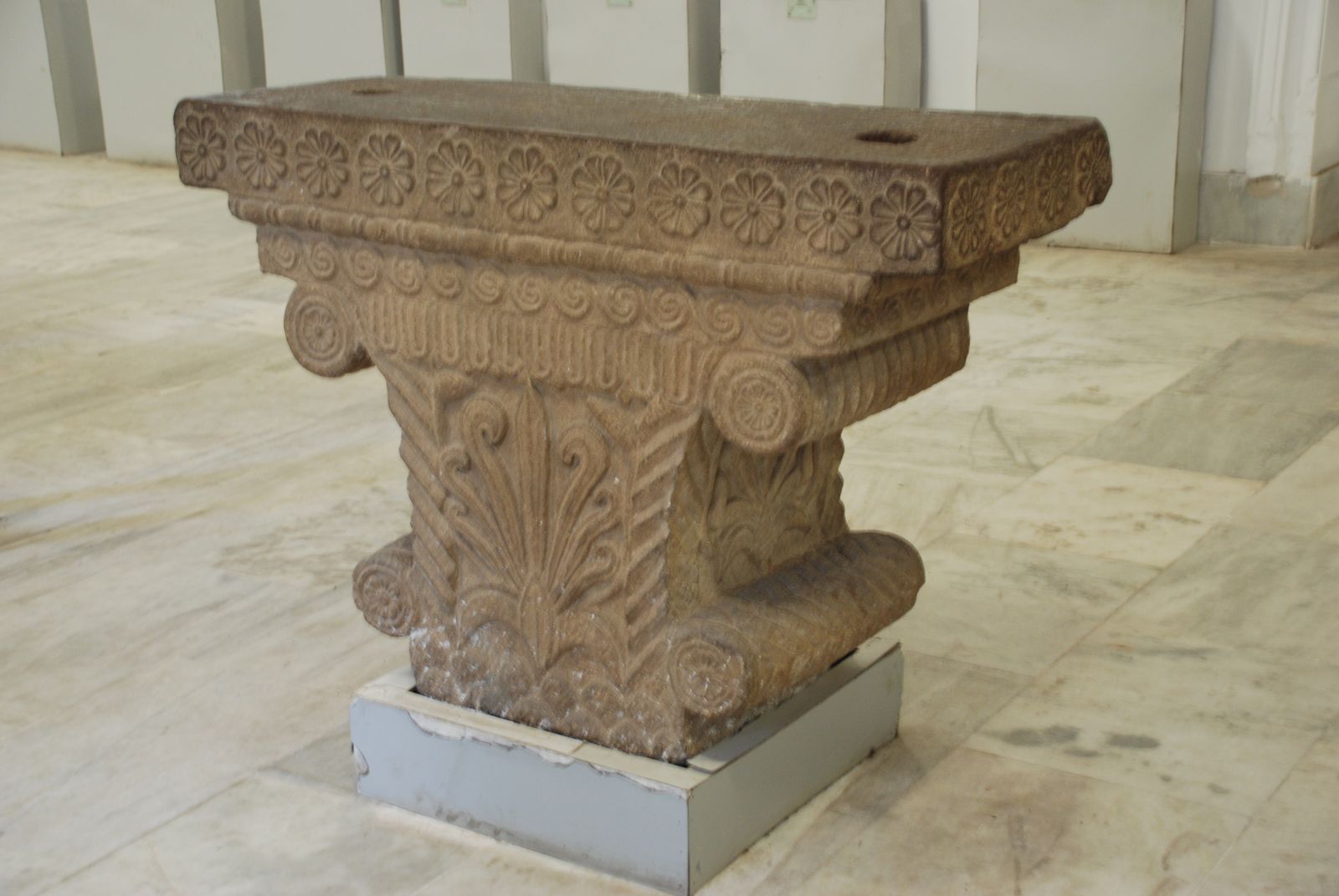
The man in Pataliputra had the right instinct and the wrong number. Twenty-three centuries later we have the right number and have lost the instinct. Between the two of us there is a complete method, and it has been lying in Book I chapter 19 the whole time.
इति ह आस. So indeed it was.
Gurugram, 17 June 2026. The long essay that argues happiness is an operations problem is a fortnight old. This is the fourth column in that argument and the one the argument produced on its own: I went looking for a verse and found a timetable.
Sources: Arthaśāstra, Book I chapter 19, The Duties of a King in R. Shamasastry’s translation, for the division of day and night into eight nālikās, the hour and a half in his square brackets, the schedule, the sleep in the fourth and fifth parts of the night, the root of wealth is activity, and in the happiness of his subjects lies his happiness. Economic Survey 2024-25, Chapter 11, paragraphs 11.70 to 11.78, for the state quoting the research. Ghaṭikā, nāḍikā, nālikā, Wisdom Library, for the unit of twenty-four minutes, sixty to the day and night, measured by the outflow water clock.