स्तम्भ Stambh · Lokanīti
A Ten-Hour Day Is a Rule. Say Who Pays for It.
Telangana made the ten-hour working day legal in July 2025 and called it ease of doing business. The week did not get longer. The evening got shorter.
Nikhil Sharma · लोकनीति Lokanīti · 20 May 2026 · 4 min read
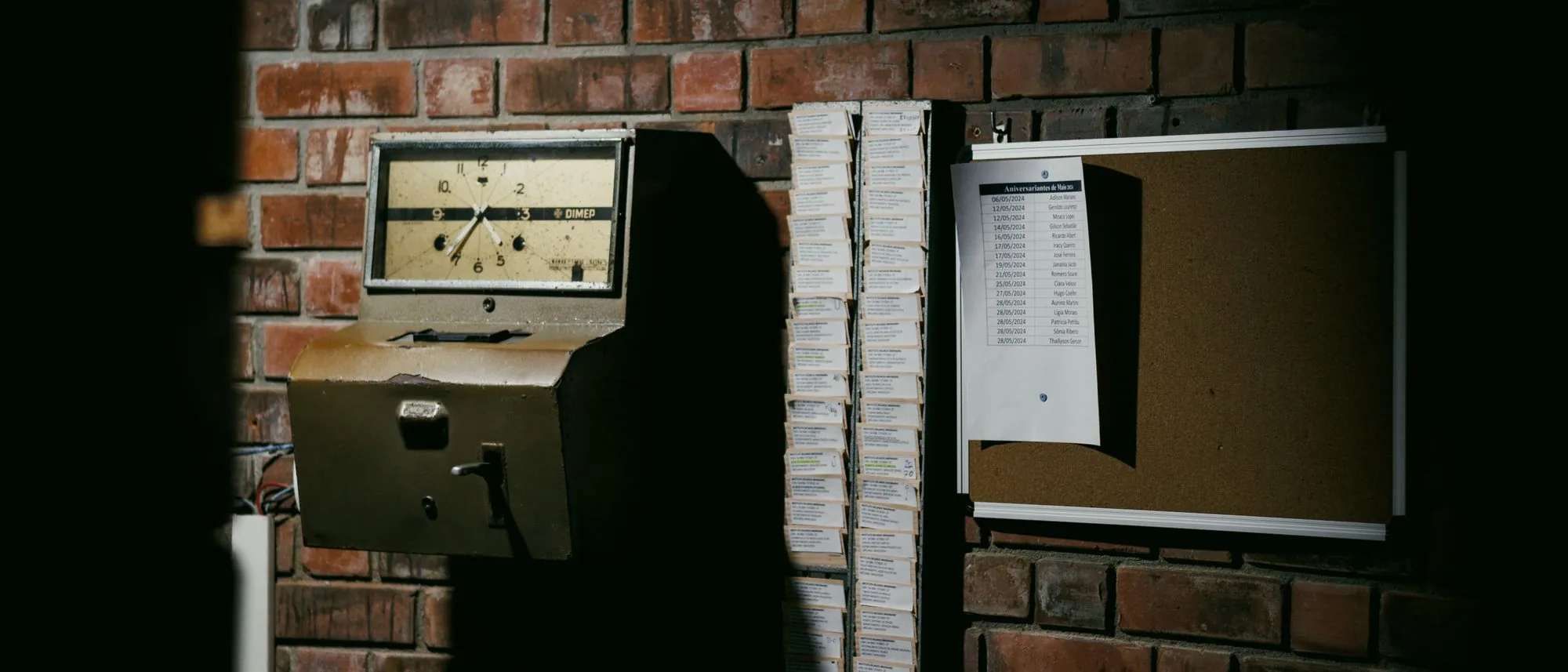
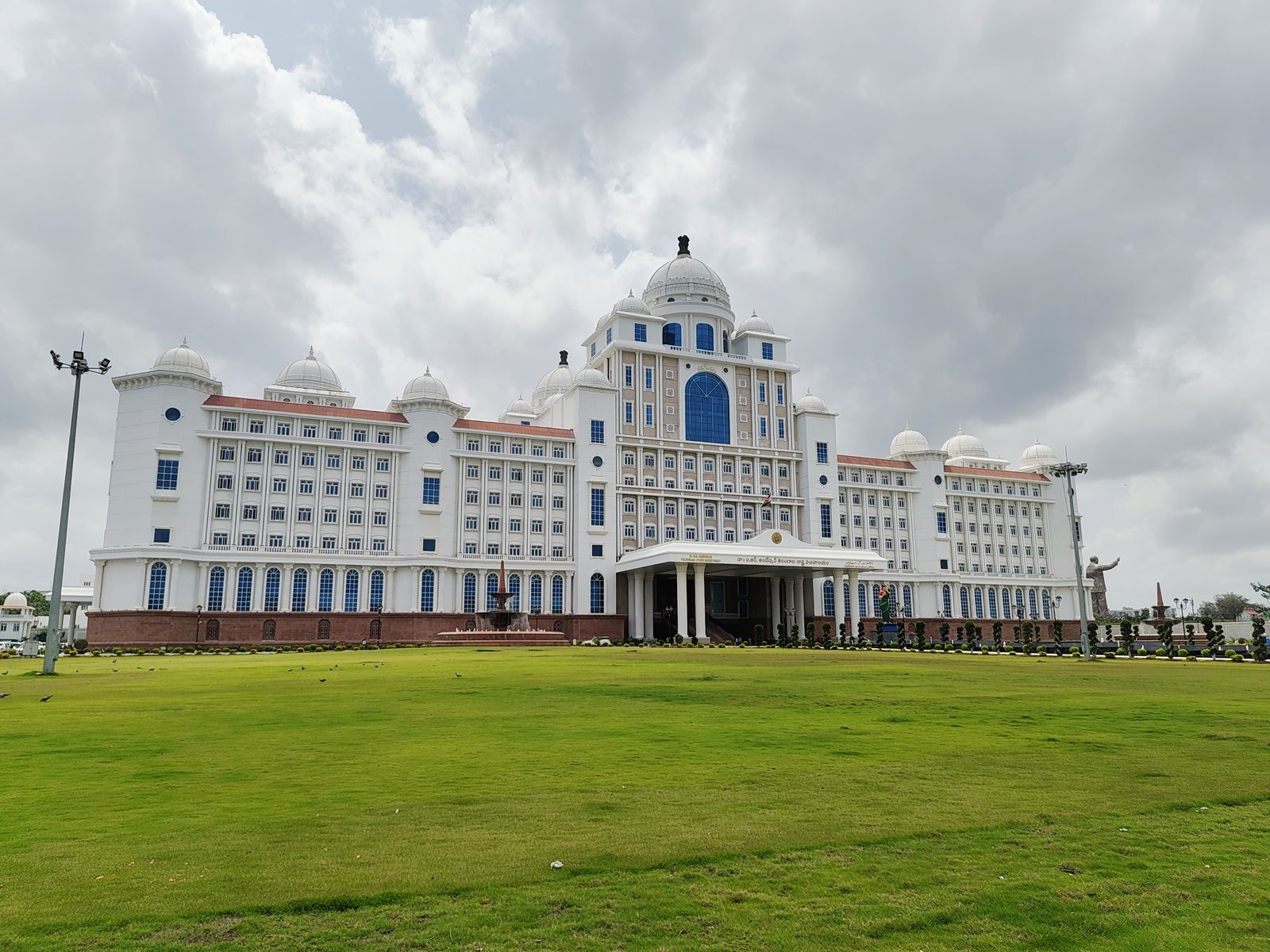
On 5 July 2025 Telangana made a ten-hour working day legal for commercial establishments and called it ease of doing business.
The order is G.O.Rt.No. 282 of the Labour, Employment, Training and Factories Department, dated 5 July 2025, and it is specific. Ten hours a day. Forty-eight a week. A spread-over of no more than twelve hours between the first minute and the last. Overtime up to 144 hours a quarter. A break every six hours instead of every five. Karnataka tried the same thing for its IT sector the month before, the unions called it slavery, and on 29 July 2025 the government let the proposal drop.
Lokanīti asks one question of a rule. What does it cost the person obeying it. Not the person who wrote it. Not the person who lobbied for it. The one who turns up on Monday and finds the rule waiting.
The week did not change. The evening did.
Read the Telangana order the way its defenders read it and nothing has happened. The weekly cap is still forty-eight hours. A ten-hour day simply lets an employer run four long days instead of five ordinary ones, and for a worker with a ninety-minute commute a four-day week is a real gift. I would take it.
But the order does not say four days. It says ten hours, with a twelve-hour spread, and leaves the rest to the roster. In a market where half the Indian workforce already works over forty-nine hours a week — the ILO’s figure, not mine — the ceiling the law sets is not a protection. It is a target. An employer who can legally hold a person from nine in the morning to nine at night will, in a bad quarter, do exactly that, and the forty-eight hour cap will be the thing nobody checks.
A ceiling the employer can reach is not a protection for the worker. It is a target.
Here is what the twelve-hour spread actually buys and who pays for it. The hours before eight in the morning and after nine at night are where a person keeps the conditions that keep them well — sleep, a walk, sunlight, somebody who knows them. A twelve-hour spread takes both windows on the same day. The employer gains flexibility on the roster. The worker loses the evening and the morning. The cost has not vanished. It has moved from the company’s schedule to the worker’s body, where nobody will invoice for it.
One arm of the state counted it
The strange part is that the Government of India had already put a number on this. The Economic Survey 2024-25, published that January, found that people who spend twelve or more hours a day at a desk report mental wellbeing about 100 points lower than those who spend two or fewer, and that poor workplace conditions are associated with two to three more days lost per month. The finance ministry counted the cost in January. A state labour department legalised the twelve-hour day in July. Six months apart, in the same country, from governments that both say they want growth.
I will state my lens once because it matters here. Rāshtrahit, India’s interest, is a workforce that can still work at forty-five. A rule that extracts more from a thirty-year-old and returns a diabetic at fifty has not created growth. It has borrowed it from the health budget, and that bill arrives with interest.
Make the rule say it
I am not against the ten-hour day. I am against the rule that does not say who pays. So write the bill into the order. A ten-hour day permitted only inside a four-day week, in the same paragraph. A twelve-hour spread only with the next morning off, in the same paragraph. The overtime cap reported to the labour department quarterly by any establishment over a hundred people, so that a ceiling becomes a number somebody reads.
That costs the employer nothing he was not already claiming to offer. It costs the state one more column in a return it already collects. And it tells the worker, in writing, what the rule took and what it gave back. Karnataka’s unions won their fight by calling the proposal a name. The better fight is to make the proposal honest and then pass it.
A rule that will not say who pays for it is usually a rule that already knows.
Written in Gurugram on 20 May 2026. The second column towards the long essay that argues wellbeing is an operations problem and that load will one day be reported beside revenue. Here a state wrote a rule about load and forgot to report it.
Sources: G.O.Rt.No. 282, Labour, Employment, Training and Factories (LAB-I) Department, Government of Telangana, 5 July 2025, the order itself, for ten hours a day, forty-eight a week, a twelve-hour spread-over, thirty minutes of rest after six hours and 144 hours of overtime a quarter; as reported by The News Minute, 6 July 2025. Karnataka drops the working-hours amendment, PTI via The Week, 29 July 2025; the proposal itself as summarised by JSA for DLA Piper, 2 July 2025. ILO working-hours data via Business Standard, 20 September 2024. Economic Survey 2024-25, Chapter 11, paragraphs 11.75 and 11.78.