स्तम्भ Stambh · Kūṭanīti
The Visa Is the First Appointment
Three in four foreign patients who come to India come from one neighbour, and in 2024 India showed what happens to a hospital when a visa becomes a weapon. The medical visa is the cheapest diplomacy the country has.
Nikhil Sharma · कूटनीति Kūṭanīti · 26 August 2026 · 4 min read
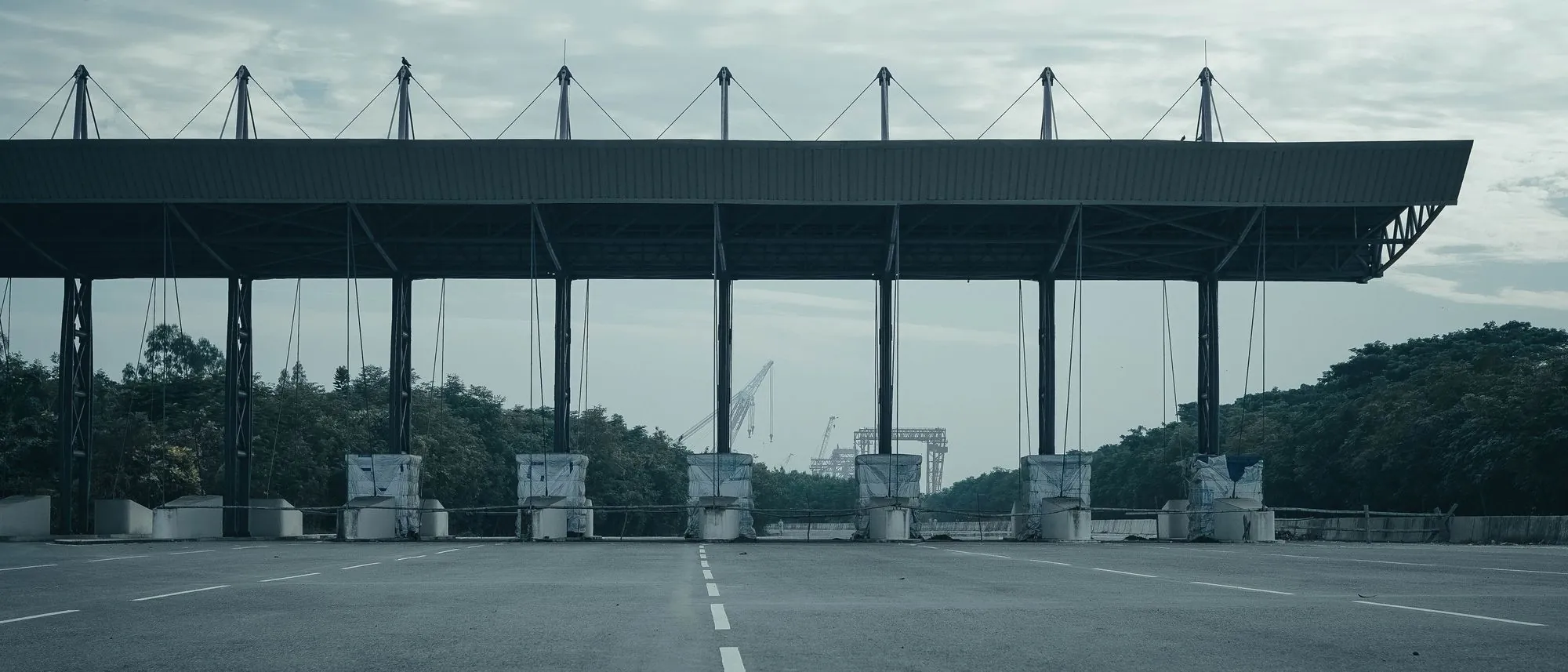
A patient’s first appointment in India is not with a doctor. It is with a visa officer.
Everything downstream depends on that meeting. Whether the attendant may come. How many days the stay allows. Whether the follow-up visit in six months needs the whole process again. A country can have the best surgeons on earth and still lose the patient at the counter, and India has designed the counter as an afterthought for as long as I have watched it.
Then, in 2024, the country discovered what the counter is worth. By the Ministry of Tourism’s count 6,44,387 foreigners came to India for medical purposes that year and 4,82,336 of them came from Bangladesh. Three in four. In August the government in Dhaka fell. India restricted visas. By December the monthly count of medical arrivals was down 59 per cent on the year, to about 30,800, and the hospitals in Kolkata that had built wards for that traffic found out whose patients they had been.
I am not going to argue the restriction was wrong. There were reasons, and a government that cannot restrict a visa in a bad month does not control its border. I am going to argue that the people who paid for it were not the ones it was aimed at. A woman with a tumour in Rajshahi did not bring down a government. She was simply the nearest thing to it that India could reach.
A medical visa is the only instrument of state that a frightened family in another country will remember for the rest of their lives.
The instrument nobody files under diplomacy
Kūṭanīti is the conduct of the concealed, and the best instruments are the ones nobody files under the heading. A medical visa is one. It costs the state nothing it would not spend anyway. It reaches a household directly, past the government in between. And it is remembered. A man whose father came home alive from Chennai does not forget which country let him in and which did not, and he tells that story for thirty years to people who have never read a communiqué.
The same instrument, mishandled, is remembered the same way. Every family turned back at the counter in late 2024 is now a household in Bangladesh with a reason to believe India’s hospitals are a privilege withdrawn on a bad day. That belief outlasts the restriction. It is being told in Dhaka drawing rooms right now, and Bangkok and Istanbul and Singapore are listening to it with interest.
Compare what the state did when it tried to use the instrument on purpose. On 27 July 2023 India introduced the Ayush visa, four categories of it, for foreigners seeking treatment in Indian systems of medicine. By 4 December 2024 the Ministry told the Lok Sabha it had issued 123 regular Ayush visas, 221 e-Ayush visas and 17 attendant visas. Three hundred and sixty-one permits in sixteen months, for a country that advertises itself as the home of yoga. A visa that nobody asks for is a press release with a stamp on it.
What a patient regime would look like
Three features, each of them cheap. A medical visa that is decided on medical papers and not on the news, so that a restriction aimed at a government is not applied to a ward. An attendant visa that is automatic rather than discretionary, because nobody travels for surgery alone and a patient who has to argue for her son is a patient who has already chosen Bangkok. And a follow-up visa that is granted with the first one, valid for a year, so the six-month check is a flight and not a second application.
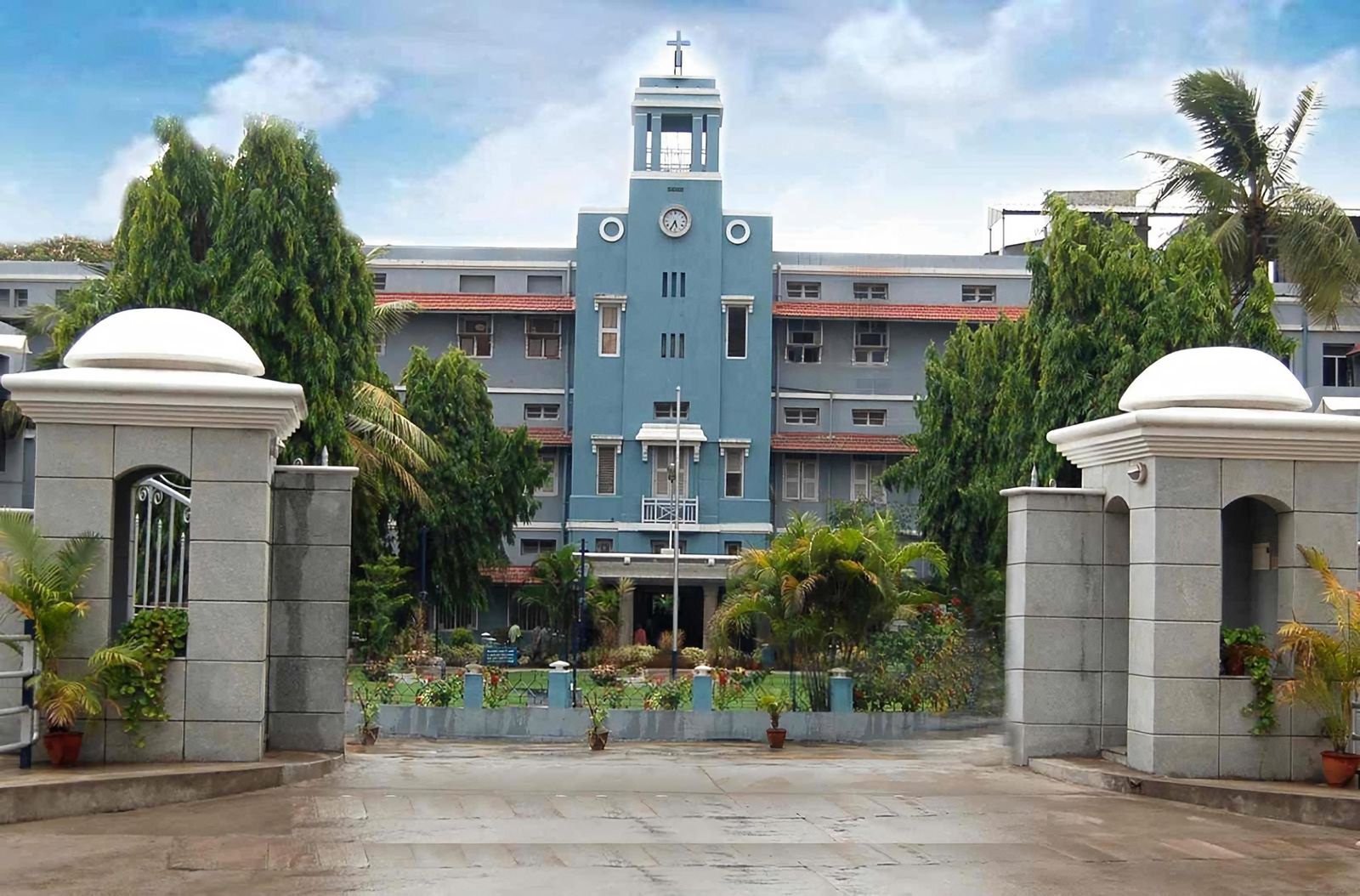
None of this requires a treaty. It requires a ministry to decide that the patient is an asset of the state rather than a risk to be managed, and to write the rule so that it survives an incident. A commitment that holds through a bad month is worth more than a concession made in a good one. That is truest about people.
My declared lens is राष्ट्रहित Rāshtrahit, India’s interest, and it sits here. The country that treats the neighbour’s sick cannot be the country the neighbour is taught to hate. That is not sentiment. It is the cheapest strategic position on the subcontinent and India already holds it, in every ward in Kolkata. It only has to stop giving it away at the counter.
Written in Gurugram on 26 August 2026. The long essay this column belongs to argues that India sells surgery on price and should sell it on outcome. The visa is where the outcome begins.
Sources: Ministry of Tourism answer in Parliament, 18 August 2025 for 6,44,387 medical arrivals in 2024 and 4,82,336 from Bangladesh. The December 2024 fall in medical arrivals, Business Today from Ministry of Tourism data, 2 March 2025. Lok Sabha Unstarred Question 4231, answered 20 December 2024 for the Ayush visa’s introduction on 27 July 2023 and the 123, 221 and 17 visas issued to 4 December 2024.