 Work with me
सोचThe Thoughts
सोच Soch. What a person actually thinks, before it is dressed up.
Long essays, short columns, one-line sutras and arguments from people who disagree, published unedited. All of it goes out under सामरिक Saamrik: सम्, together and in proportion, with ऋक्, a verse said with care. Soch is the thinking. Saamrik is the imprint.
Read the latestThe ten headsविमर्शLatest
The newest piece, and the shelf behind it.
The first season was written in the autumn of 2026 and is arranged here in reading order, a week apart. Each wager carries the date it was first published.
सामरिक SAAMRIKउद्यमनीतिUdyamnītiTHE ENTERPRISEVimarsh · Udyamnīti · 11 October 2026 · 9 min
Startup at the Speed of Light: The Nikhil Sharma Way
Most startups do not die of a bad idea. They die of the distance between deciding and doing. Twenty years of building, and the nine laws I now run every company by, from the founder agreement on day one to the habit of stopping.
Read the essay- सामरिक SAAMRIKअर्थनीतिArthanītiTHE ECONOMY
Stambh · Arthanīti
The Phone Is the Easy Part
Smartphones are now India’s largest export, and three in four of them are iPhones. That is a real achievement and the easy half of one. What India builds next is the part inside the phone, and that is where a founder should be looking.
11 October 2026 · 4 min
- सामरिक SAAMRIKरणनीतिRaṇanītiSTRATEGY
Stambh · Raṇanīti
Choose the Narrow Pass
What a film about Thermopylae, a law drama built on a lie and a comedy about a compression startup teach a founder about strategy. Pick the ground where numbers stop counting. Guard the path you were told nobody uses. Know which launch to stop.
11 October 2026 · 7 min

Vimarsh · Udyamnīti
What a ₹100 Crore Seed Price Was Paid For
Wellpro, the wellness company I co-founded with Dr Ashutosh Rastogi, was priced at ₹100 crore in its first seed round. Not on revenue. On a patent application, a protocol, a portfolio of formulations and a distribution system built in about sixty days. The operational record, what the price did and did not mean, and what a founder can copy.
11 October 2026 · 7 min
Vimarsh · Udyamnīti
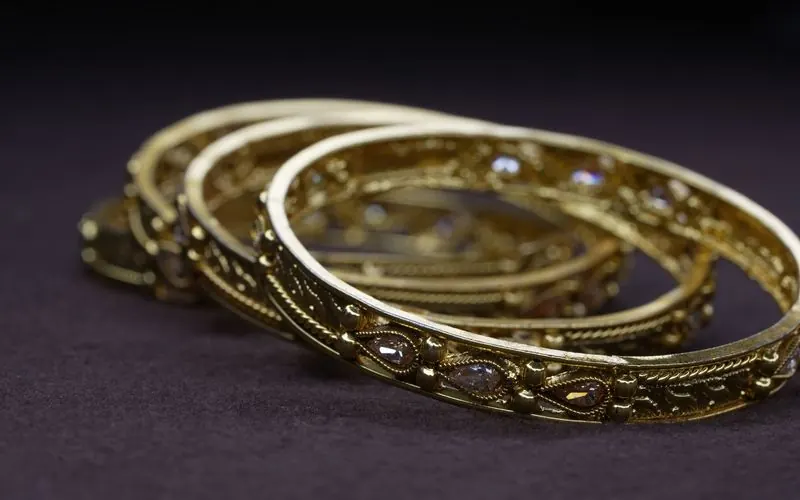
The Shop Next to the Gold
T. S. Kalyanaraman sold cloth for two decades beside a lane of jewellers in Thrissur. In 1993, five days short of his forty-sixth birthday, he opened one showroom, put a price on every piece and then waited seven years before opening a second. It is now 507 showrooms and ₹35,743 crore of revenue. What a founder should take from it, and what not to.
11 October 2026 · 7 min
Vimarsh · Udyamnīti
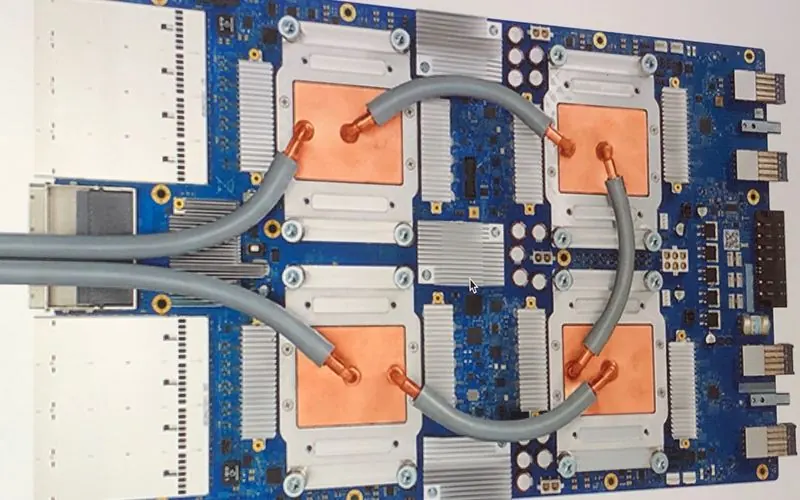
An Expectation Is Not an Agreement
In three weeks Google released its strongest model to defenders first, gave its new agent an email address and won in court against the publishers who fed it. OpenAI shelved a model that lied. Nobody would swear their AI was safe. What it means for an Indian business, from someone who has sold search since 2008.
11 October 2026 · 8 min· Standing
Stambh · Parihās
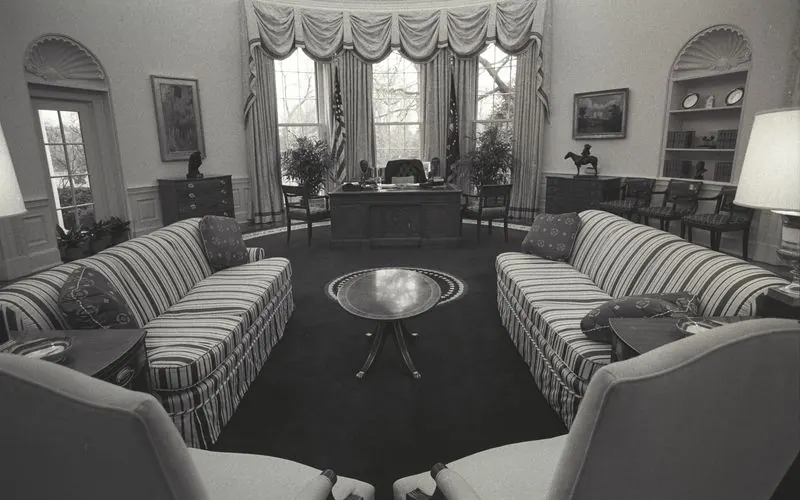
The Most Powerful Person on Earth Should Be a Crown, Not a Clown
A peace prize he did not win. A lake he renamed. A strait he annexed on a map with a typo. A war he scheduled around an election. A satire on the loudest office in the world, aimed up, and at every founder who confuses noise with authority.
11 October 2026 · 7 min

Pāṭh
What product-market fit looks like in the numbers
Product-market fit is not a feeling. It is a retention curve that flattens above zero and a survey in which forty per cent of users would be very disappointed to lose you. Both can be measured this month.
10 October 2026 · 8 min

Pāṭh
Vesting and the co-founder cliff
Vesting is the clause co-founders skip because they trust each other. It exists for the day one of them leaves. The standard schedule, the acceleration terms to refuse, and how Indian ESOP rules actually work.
10 October 2026 · 9 min

Pāṭh
The customer interview, done properly
Most founders have already done twenty customer interviews and learned nothing from them, because they pitched, asked about the future and talked. Here is the protocol that produces evidence instead.
10 October 2026 · 7 min
Every piece is filed under a head and a length. Open either below for the whole of it.
प्रवेशStart here
One notebook. Three doors.
Everything here is one thing: an operator's dated calls on India, filed under ten heads. Pick the door that matches what you came for.
If you build companies
उद्यमनीति Udyamnīti
Why execution dies between saying and doing. Founders, equity, networks and the countdown to NS Transform 2027.
The enterprise shelf
If you read India
राजनीति Rājnīti · अर्थनीति Arthanīti
Who holds leverage and what it costs to use it. What India builds, buys and exports next. The long essays with dated wagers live here.
Statecraft, then the economy
If you want a better life
स्वनीति Swanīti · समाजनीति Samājnīti
How a human actually changes a habit, and what we owe each other at scale. Happiness run as operations, not as a mood.
The person, then society
नीतिThe ten heads
Eight nītis, and two ways of looking.
नीति is not policy and not ethics. It is the conduct a thing requires if it is to hold. Eight of these are the scales the work is argued at. A person, an enterprise, an economy, a public, a state, its diplomacy, its strategy, its society. Two are lenses laid across all eight.
स्वनीति
Swanīti
The person
How a human actually changes a habit.
उद्यमनीति
Udyamnīti
The enterprise
Why execution dies between saying and doing.
अर्थनीति
Arthanīti
The economy
What India builds, buys and exports next.
लोकनीति
Lokanīti
Public policy
What a rule costs the person obeying it.
राजनीति
Rājnīti
Statecraft
Who holds leverage and what it costs to use it.
कूटनीति
Kūṭanīti
Diplomacy
The conduct of the concealed. Leverage, alternatives, patience.
रणनीति
Raṇanīti
Strategy
Security as an economic question before a military one.
समाजनीति
Samājnīti
Society
What we owe each other at scale.
इतिहास
Itihāsa
History
इति ह आस. So it was, so it is, so it will be.
परिहास
Parihās
Satire
Aimed up, always. At institutions, at fashions, at myself.
- स्वनीतिSwanīti
- उद्यमनीतिUdyamnīti
- अर्थनीतिArthanīti
- लोकनीतिLokanīti
- राजनीतिRājnīti
- कूटनीतिKūṭanīti
- रणनीतिRaṇanīti
- समाजनीतिSamājnīti
- इतिहासItihāsa
- परिहासParihās
नीतिचक्र·The whole of it on one plate
Ten heads, five lengths, one imprint
The rim is what a piece is about — the scale it is argued at. The inner ring is how long it is and how often it comes. Touch any part of the wheel to read it, or click straight through.
Eight nītis are the scales. Itihāsa and Parihās are lenses laid across all eight.
रूपFive lengths
How long, and how often.
A reader should be able to tell from the label how much of their evening a piece intends to take, and whether it is a settled position or a note made in passing.
विमर्श
Vimarsh
The essay
The long argument. Monthly at most. Where its claim can be scored it ends on one dated wager, kept on the ledger.
स्तम्भ
Stambh
The column
A position taken quickly. Weekly, short, dated.
सूत्र
Sutra
The aphorism
One sentence that can carry a whole essay. Numbered and dated.
संवाद
Samvād
The dialogue
Someone who disagrees, published unedited. Quarterly.
पाठ
Pāṭh
The guide
A lesson from the Founder Library, with a figure you can move. Written as the house.
राष्ट्रहितThe house rule
Every wager is dated, and scored in public.
राष्ट्रहित, the national interest, is the lens laid over every head. It is stated here so a reader can discount for it rather than discover it halfway down a page.
The wager ledger- 01
One dated wager, scored in public.
Where a Vimarsh makes a claim the world can score, it ends on one call with a date, specific enough to be shown wrong. Every call is kept on the ledger at /wagers and reviewed each quarter.
- 02
Sources are named in the line, not in a footnote.
Chapter and verse where it is scripture, the outlet and the date where it is reporting, the filing where it is a number. A claim a reader cannot check is decoration.
- 03
The position stands as it was taken.
Where the evidence has since gone against a piece, the piece stays and the evidence goes underneath it. Writing that quietly updates itself to stay right is worth nothing.
- 04
Disagreement is published unedited.
संवाद exists for that. The best objection to anything here belongs on this site, in the objector’s own words.
सूचीBy tag
Enter by the thing itself.
The ten heads say what scale a piece is argued at. A tag says what it is actually about. A country, a thinker, an institution, a trade. Every tag opens its own page.
- Acceleration
- Agents
- Agroforestry
- AI
- AnandBodh
- Antah
- ARR
- Ayesha Siddiqa
- Bangladesh
- Bhagavad Gītā
- Bootstrapping
- Bottom-up
- Burn
- Burn multiple
- CAC
- Cap table
- Capital efficiency
- Case study
- Cash
- CCPS
- Charaka
- Co-founders
- Cohorts
- Companies Act
- Competition
- Compliance
- Compounding
- Consequence loop
- Customer interviews
- Decisions
- Default alive
- Dilution
- Diplomacy
- Discovery
- Donald Trump
- DPIIT
- Economy
- Efficiency score
- Electronics
- Environment
- Equity
- ESOP
- Ethics
- Execution
- Exports
- Fabulous.media
- Florence Nightingale
- Founder decisions
- Founders
- Fundraising
- Gemini
- GoCommercially
- Governance
- Gross margin
- Growth rate
- Gurugram
- Healthcare
- History
- Ideas
- Incorporation
- India
- IndiaMedica
- Indus Waters Treaty
- Innovation
- Institutions
- Kalyan Jewellers
- Kautilya
- Kerala
- Leadership
- Leverage
- LLP
- LTV
- Mahabharata
- Manufacturing
- Market sizing
- Mathematics
- Maya
- MCA
- Media
- Medical Tourism
- Method
- Metrics
- Military
- Mom Test
- My voice
- Myanmar
- Net burn
- Networks
- NS Transform
- One metric
- One Tree Planted
- OPC
- Pakistan
- Patents
- Patience
- Patterns
- Payback
- Pitch deck
- Policy
- Power
- Problem discovery
- Product-market fit
- Ratan Tata
- Retail
- Retention
- Rule of 40
- Runway
- SAM
- Samsamyik
- Satire
- Science
- Sean Ellis test
- Search
- Seed
- Seed Fund Scheme
- Seed round
- Segments
- Services
- SOM
- SPICe+
- Startup India
- Startups
- Statecraft
- Strategy
- Superhuman
- TAM
- Tata
- Technology
- Trade
- Trust
- Unit economics
- Validation
- Valuation
- Vedanta
- Venture capital
- Venture debt
- Vesting
- Weekly growth
- Wellbeing
- Wellness
- Wellpro
- Y Combinator
संवादWrite back
The best objection belongs here.
If something here is wrong, say so at length and it will run on this site under your name and unedited, with my reply beneath it rather than above it. That is what संवाद is for.
Or send it through Write for NS